
A grand wedding may be remembered for its décor, entertainment, venue, and food. But ask guests what made the celebration truly enjoyable, and the answer is often much simpler: everything felt effortless.
Someone was waiting when they arrived. Their room was ready. Transportation was on time. They knew where to go and whom to contact. When something unexpected happened, it was resolved before it became their problem.
These moments happen quietly behind the scenes.
This is where an Event hospitality company in India plays an increasingly important role in modern celebrations. Hospitality has evolved from simply welcoming guests to managing the complete guest journey—from the first confirmation to the final departure.
What Actually Happens Before the First Guest Arrives?
Long before guests enter a venue, multiple teams are already coordinating.
Guest lists need to be confirmed. Arrival schedules have to be tracked. Hotels need updated rooming information. Transportation must align with flight and train schedules. Welcome arrangements need to be prepared.
At a large destination wedding, hundreds of small decisions may need to come together at exactly the right time.
This behind-the-scenes coordination is what makes an event appear effortless.
A Realistic Case Study: When 300 Guests Arrive Together
Consider a destination wedding in Rajasthan where around 300 guests are travelling from different cities.
The challenge isn’t simply arranging vehicles or booking hotel rooms. The real challenge is synchronizing everything.
Imagine three groups arriving within a short window:
- One group arrives at the airport.
- Another arrives by train.
- VIP guests arrive separately.
- Hotel check-ins begin simultaneously.
- The wedding function starts later that evening.
Without centralized coordination, small delays can quickly create a chain reaction.
A structured hospitality team can divide arrivals, coordinate vehicles, monitor check-ins, guide guests, and communicate updates in real time.
The guests experience a smooth arrival.
They rarely see the planning that made it possible.
Why Luxury Wedding Hospitality Is About More Than Luxury
Luxury is often associated with premium venues, elaborate décor, and exclusive entertainment.
But modern wedding guests increasingly define luxury differently.
For many guests, luxury means:
- Not waiting unnecessarily
- Having someone available when help is needed
- Receiving clear information
- Travelling comfortably
- Finding their accommodation easily
- Feeling personally welcomed
This is why luxury wedding hospitality services India are increasingly focused on personalization and convenience rather than only visual grandeur.
The objective is to make every interaction feel considered.
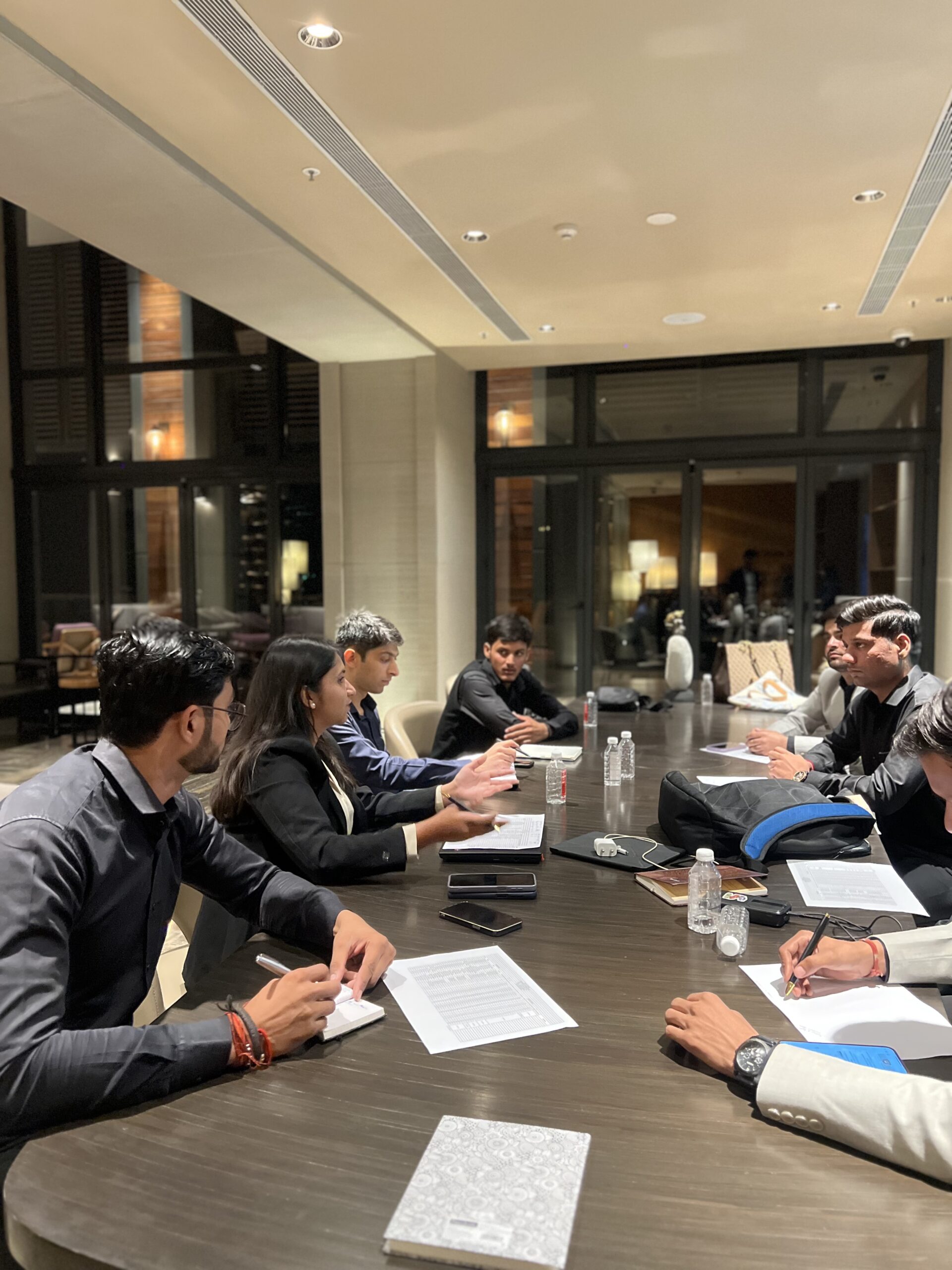
The Hospitality Team Is the Event’s Invisible Control Room
At a complex wedding, hospitality teams often become the communication bridge between guests, hotels, transportation teams, planners, and vendors.
Their responsibilities may include:
Guest Arrival Management
Tracking arrival schedules and coordinating airport, railway station, or local transfers.
Accommodation Coordination
Managing rooming lists, check-ins, check-outs, room changes, and guest requirements.
Welcome Operations
Organizing welcome desks, refreshments, assistance, and information for arriving guests.
Event Movement
Helping guests understand function timings, locations, shuttle schedules, and venue movements.
Departure Management
Coordinating luggage, transportation, checkout requirements, and final departures.
When all these elements work together, guests experience the event rather than the logistics behind it.
Why Jaipur Has Become a Key Hospitality Hub
Jaipur’s heritage properties, luxury hotels, palaces, and destination-wedding infrastructure have made the city an important wedding destination.
However, hosting a wedding in Jaipur often means bringing guests from across India and overseas.
That creates additional requirements for local coordination.
A professional Hospitality team for weddings in Jaipur may need to manage airport transfers, hotel coordination, guest movement between venues, welcome operations, and last-minute requirements.
The city’s wedding ecosystem therefore depends not only on beautiful venues but also on efficient hospitality and logistics.
Event Hospitality Management Is Moving Toward Personalization
One of the biggest trends in the event industry is personalized guest communication.
Instead of treating every guest in exactly the same way, hospitality teams increasingly organize guests based on their individual requirements.
For example:
- Elderly guests may require additional assistance.
- Families with children may need specific room arrangements.
- VIP guests may have separate transportation requirements.
- International guests may need additional travel support.
- Corporate delegates may follow completely different schedules.
This has made event hospitality management in Jaipur more detailed and guest-centric than traditional event support.
Technology Is Making Hospitality Smarter
Technology is also changing how hospitality teams operate.
Modern events may use:
- Digital RSVP systems
- WhatsApp communication
- QR-based registrations
- Real-time transport tracking
- Digital rooming lists
- Guest databases
- Automated reminders
- Live coordination sheets
These systems reduce information gaps and allow teams to respond faster when plans change.
However, technology remains only a tool. The human element of hospitality—empathy, communication, and quick decision-making—continues to be essential.
What Happens When Something Goes Wrong?
Perfect events don’t necessarily mean nothing goes wrong.
Flights get delayed. Guests change their plans. Vehicles arrive late. Rooms may require last-minute changes. Event timings can shift.
The real measure of hospitality is how quickly these situations are handled.
A strong hospitality operation identifies potential problems early and creates alternative solutions before guests are significantly affected.
That is why contingency planning has become an important part of modern event hospitality.
From Guest List to Guest Journey
One of the biggest changes in the industry is the way guest management is viewed.
Previously, a guest list was primarily used to count attendees.
Today, guest data can help teams understand the entire journey:
Invitation → RSVP → Travel → Arrival → Accommodation → Events → Departure
Each stage provides information that can improve the next one.
This approach allows an Event hospitality company in India to focus not just on attendance but on the complete experience of every guest.
How Festal’s Hospitality Group Fits Into This Changing Landscape
As event hospitality becomes increasingly specialized, organizations such as Festal’s Hospitality Group focus on the operational side of guest experiences.
Its hospitality operations can involve RSVP coordination, accommodation management, airport transfers, transportation coordination, welcome desks, guest assistance, and on-ground support.
The emphasis is on coordinating the details that guests may never notice—but that significantly influence how smoothly an event feels.
The Future of Event Hospitality in India
The Indian event industry is moving toward experiences that are more personalized, organized, and guest-focused.
Future hospitality operations are likely to place even greater emphasis on:
- Real-time communication
- Personalized guest journeys
- Technology-enabled coordination
- Sustainable transportation
- Faster response systems
- Data-driven guest management
- Integrated logistics
As events become larger and more complex, hospitality will continue moving from a supporting function to a central part of event operations.
Final Thoughts
The most successful events often have something in common: guests never see the complexity behind them.
They simply arrive, settle in, celebrate, and leave with good memories.
That seamless experience is created through hundreds of carefully coordinated details.
An Event hospitality company in India therefore does much more than manage guests. It helps connect travel, accommodation, communication, logistics, and on-ground assistance into one continuous experience.
Because the real success of an event isn’t only what happens on stage.
It’s everything that happens around it.